A Cultural Discovery Holiday in Africa: Fascinating Mozambique Island

A Cultural Discovery Holiday in Africa: Fascinating Mozambique Island

Our visit to Ilha de Moçambique (Mozambique Island)

The Island of Mozambique/Mozambique Island – Ilha de Moçambique in Portuguese -, is one of the most beautiful and historically culturally interesting places to visit in Mozambique.

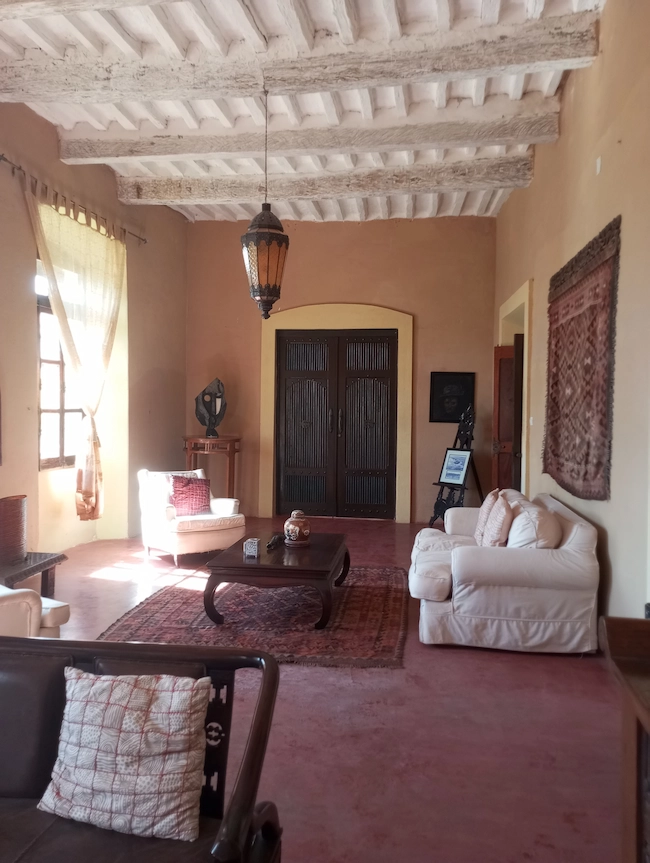
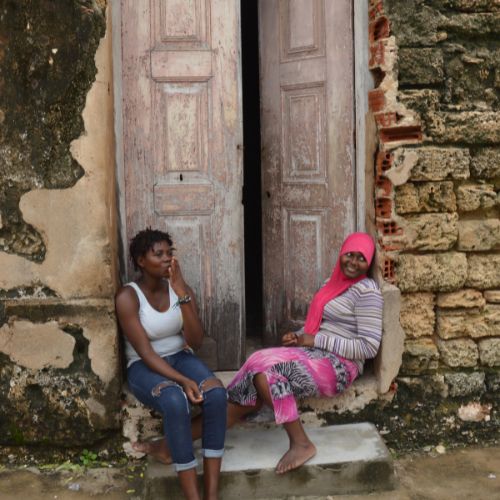
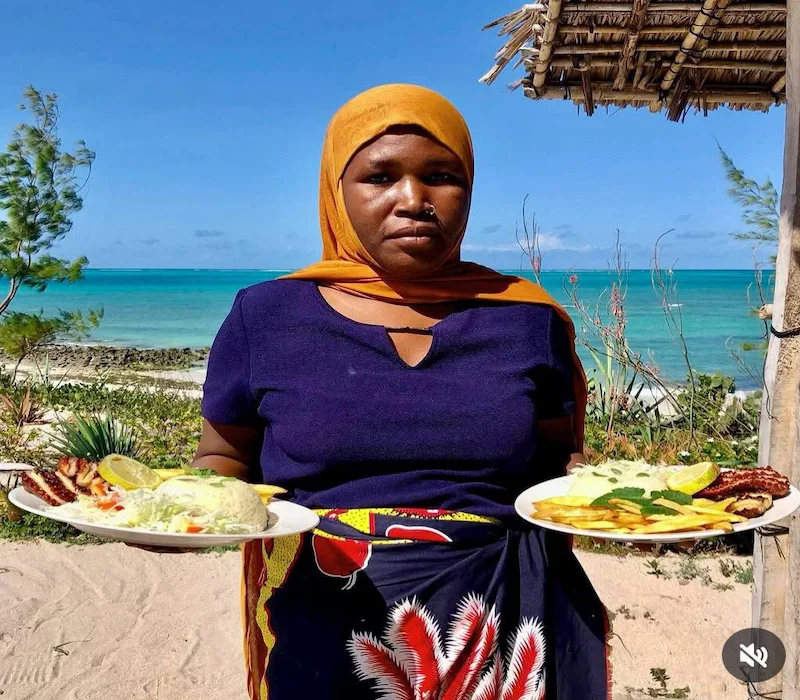
We visited the island in 2017 for the first time and I loved it. I will never forget staying in this centuries old house named Casa das Ondas (House of Waves) which was full of beautiful wooden furniture. I felt like I had stepped into a different era, a different time. A time long gone but still so present and so tangible that present and past intermingled in an almost surreal way. The image of a local lady dressed in a beautifully-coloured capulana (type of a sarong) sitting in front of the house, gazing over the endless calm turquoise blue Indian Ocean, is an image printed in my memory.
Travelling on local transport Mozambique

This time it took us a bit longer to get there, as we didn’t fly to Nampula like we did in 2017. Instead, we travelled on local transport all the way from Vilanculos. We were lucky that, after leaving Gorongosa National Park early at sunrise to wait for a bus, that one came almost immediately, taking us all the way to Nampula (16 hours) from where we could go on to Mozambique Island the next day.
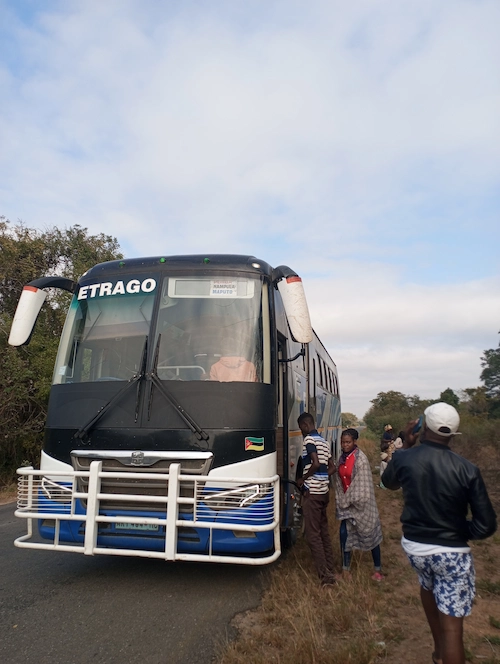
Local Etrago bus Mozambique roadrip north to Nampula

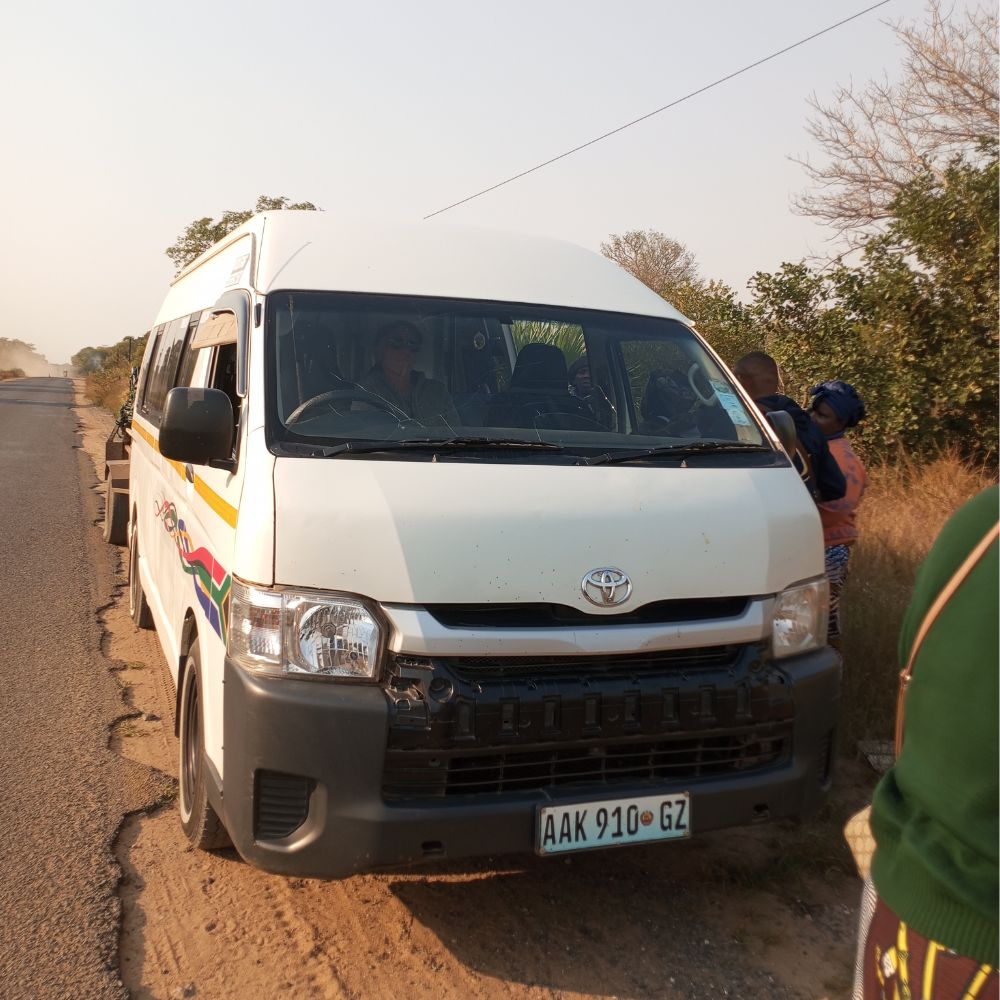
To get to Ilha, we took a chapa (local minibus) from Nampula and while we were waiting for the bus to fill up, local sellers passed by selling fresh fried prawns on a stick in homemade Peri-Peri sauce, for 5 meticais (about 5 Euro cents). Delicious!

Cramped in a jam packed chapa, the journey took much longer than expected, partly because we lost half of the cargo halfway down the road and had to go back and find it. Secondly, these chapas stop EVERYWHERE as they need to load off their cargo. They are really more cargo carriers than passenger buses which frustrates me immensely and there were quite a few times I lost my temper on this trip. Not very mindful, I know, but travelling on local transport in Africa has its challenges. We finally crossed the bridge to the island after dark.

Back to mystical Ilha de Mozambique
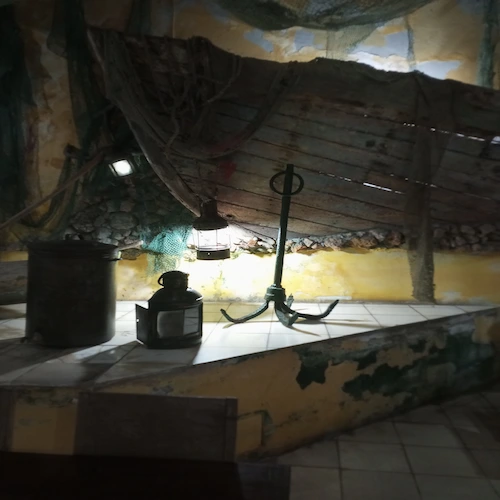
Discover the real Africa with me in mysterious Mozambique. Ilha de Moçambique

Arriving on the small island, my memory had not played tricks on me. It was still a beautiful and special place. It felt like arriving in a different world, a different time zone, a different energy. An energy of peace, of inspiration and beauty.

We based ourselves in Hotel Central, had a cold beer and I had a quick walk around town feeling like I had travelled far back in time, just like I felt back in 2017. I visited Casa Gabriel, the guesthouse of Italian Gabriel who has been living on the island for years, and who beautifully restored one of the old buildings into a charming and cozy little guesthouse, which is very reasonably priced.

UNESCO World heritage site - history of Mozambique Island

Ilha de Mozambique was declared a UNESCO World Heritage site in 1991 because of its important cultural history. It was the capital of Portuguese East Africa under Portuguese colonial rule, after Vasco da Gama discovered the island in the late 14th century. It then became  the first capital of Mozambique. Its name was derived from sultan ‘Ali Musa Mbiki’, a sultan who ruled the island in the 15th century. And that’s how the country also got its name.

Later, the Dutch also tried to attack and conquer the Portuguese settlements here, but didn’t succeed. However, history goes much further back than that. Arabian tradesmen already came to the area around the 10th century and Bantu-speaking people- perhaps as early as the 3rd century- migrated from inland to the coastal areas. This mixture of Swahili, Arab and European influences make the island a unique destination in Mozambique to visit. Different cultures and religions have peacefully lived here together for centuries and the island breathes an atmosphere of openness and tolerance, which feels very pleasant.
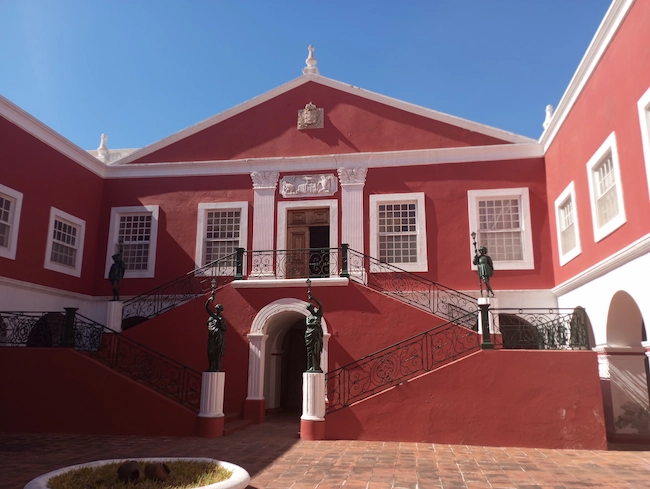
<br />
Courtyard of the Palace Museum in Ilha de Moçambique (Mozambique Island) visit July 2024
Mozambican cuisine on Ilha de Mozambique & Cabaceira Grande

Boutique Hotels & Accommodation

Terraço das Quitandas Design Accommodation on Ilha de Moçambique (Mozambique Island)

The following day we visited some beautiful and unique accommodations for Unique Mozambique’s portfolio. For example, Terraço das Quitandas which is a 300 year old building next to the old customs house, now beautifully restored into a boutique design hotel. In Jardim dos Aloés (House of the Aloe Veras) we were warmly welcomed by Italian owner Bruno who has transformed an old warehouse into a unique, cozy and personal guesthouse where you will be treated as a king or queen. Stepping through the old Arab doors you’ll find a different world. My favourite on the island!
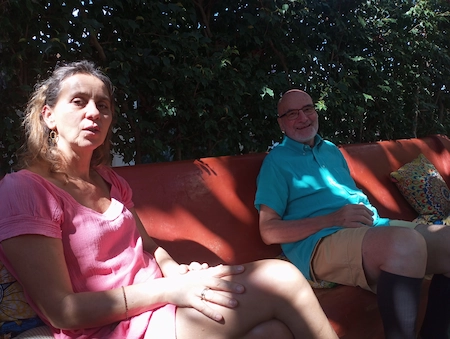
With Bruno owner of boutique guesthouse Jardim dos Aloés on Ilha de Moçambique (Mozambique Island)

Bruno invited us to breakfast the next day where we met lovely other guests. Breakfast here is a real feast and owner Bruno is a true encyclopaedia and ambassador for the island. The luxurious Villa Sands hotel personally had less appeal to me, it’s a nice hotel but part of a chain which immediately makes it feel a lot less personal, even though the staff were super nice and friendly.
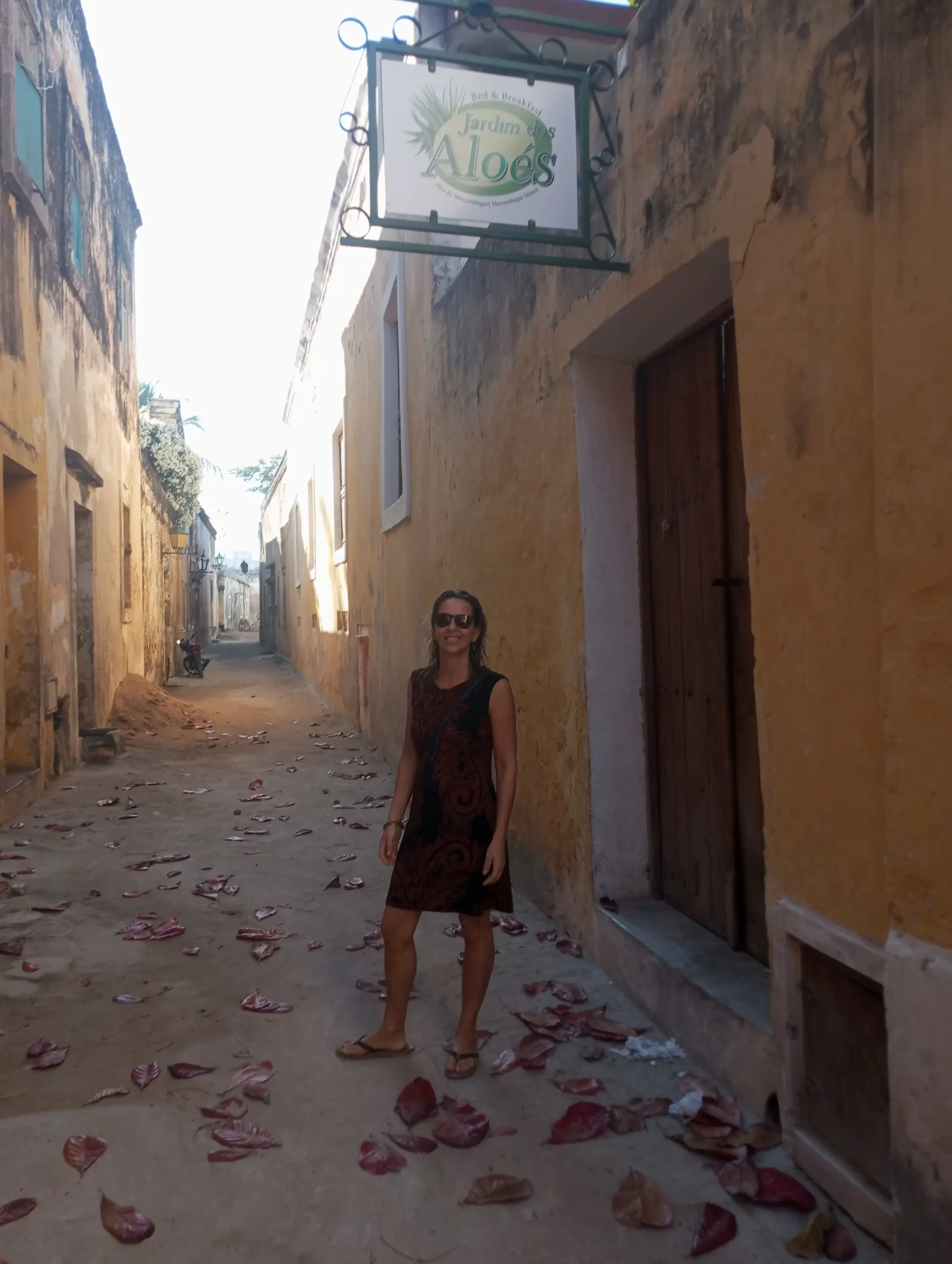
Visiting Jardim dos Aloés guesthouse on Ilha de Moçambique (Mozambique Island)

Stone Town & Traditional Dhow Tours

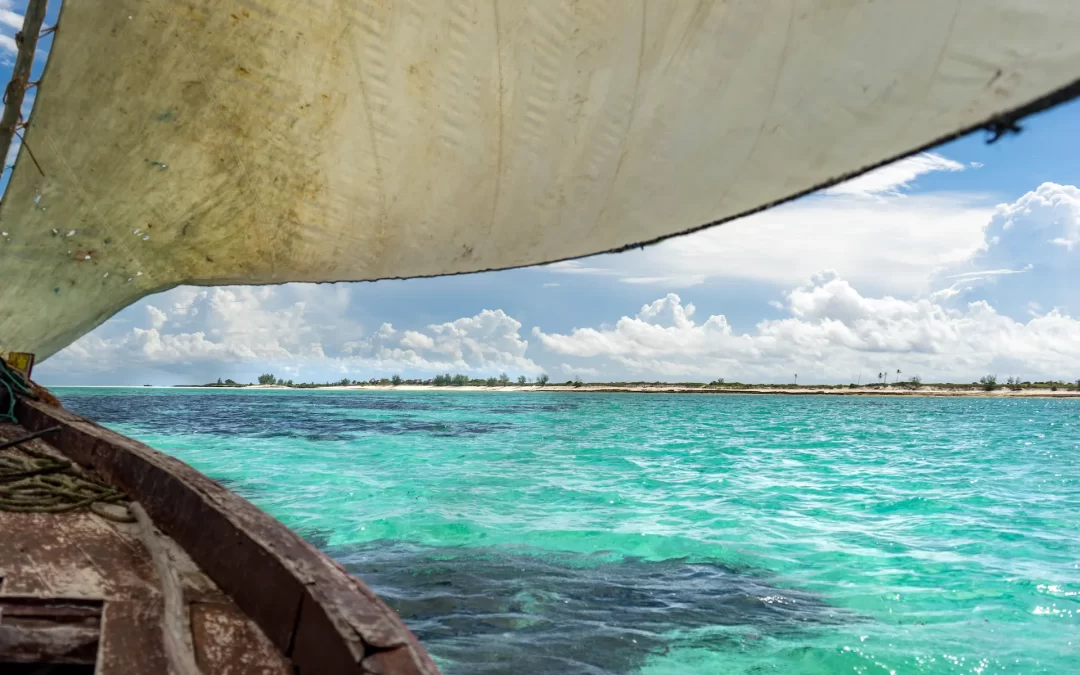
We had a stroll around historical Stone Town and met the lovely Fahar from Ilha Blu, who organises dhow tours, bicycle and historical walking tours as well as whale watching and sunset boat trips. Sailing around the blue waters of Ilha, seeing  the UNESCO heritage site from the Indian Ocean on a historical dhow sailing boat – how unique is that! Ilha Blu is based in a beautifully restored building, now a cafe with lovely staff and great cocktails!
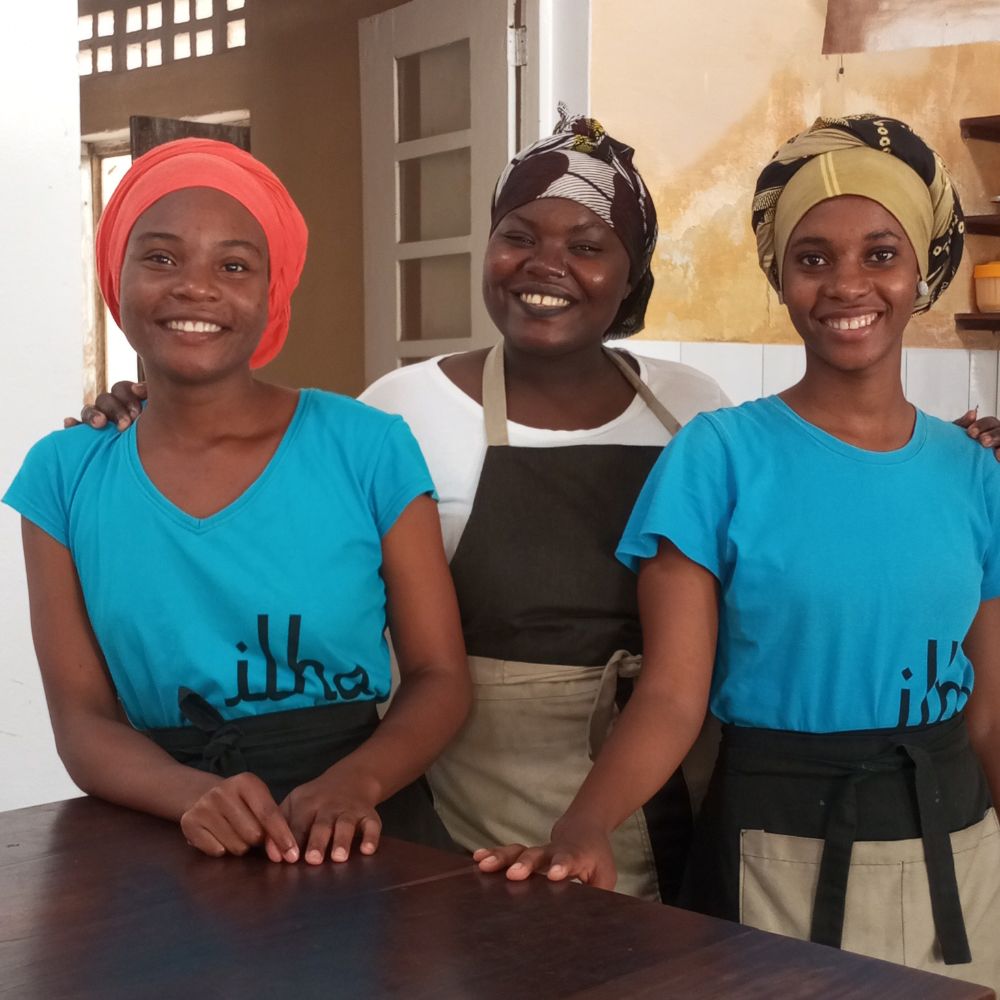
Local women in the beautifully restored Ilha Blu cafe on Ilha de Mozambique - Mozambique island
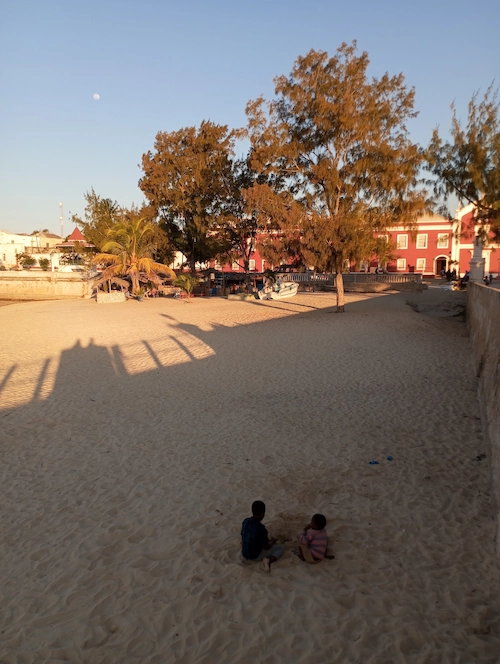
Harbour of Ilha de Moçambique  Island of Mozambique Visit 2024

Mozambique cuisine& local culture

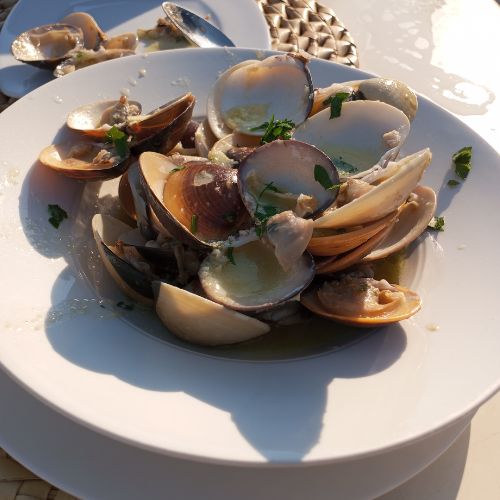
We indulged ourselves in the delicious culinary culture of Ilha and its very nice restaurants, eating the local speciality Cava Cava (type of lobster) which was super tasty. We went to another local restaurant and I had the best Matapa I have eaten in Mozambique. The cuisine on the island is a mix of fresh fish with Arabic influences of herbs and spices which makes for the most delicious dishes.

We stayed on the island for 4 days, met the friendliest of people, visited the interactive exhibition where, with 3D and virtual reality and took a journey through the past and Makua culture.We visited the Fortaleza de São Sebastião (fort of San Sebastian) and the museum where the wildly enthusiastic guide told us all about the island’s history. In the evening we were entertained with upbeat live music in one of the cafes.
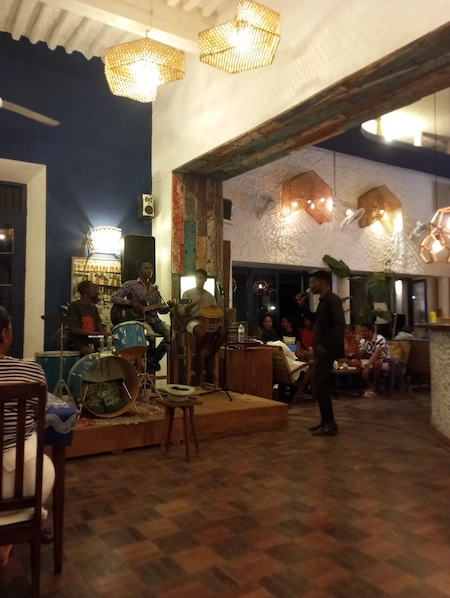
Live music in restaurant cafe Âncora d'Ouro Ilha de Moçambique (Mozambique Island) visit July 2024

Visit Mozambique Island

Visit the Island of Mozambique if you want to learn more about Mozambique’s rich history, culture and cuisine. It is a true highlight of any trip to Mozambique and one of the most special places in southern Africa I have been to.

How to get there? No worries, I will help you organise the trip. We can plan a (video) call to discuss your needs and preferences for accommodations, route and activities in order to completely customize your holiday.

Mozambique Offers the Best Exclusive Safaris in Africa

Mozambique Offers the Best Exclusive Safaris in Africa

Our visit to the majestic Gorongosa National Park - A Roadtrip north

Minibus called chapa in Mozambique for local passenger transport

We decided to go on a trip north to Mozambique and check out Gorongosa National Park, Beira, and further north, Ilha de Moçambique. The north of Mozambique is beautiful and exotic. At least that’s how I remember it from when we first visited there in 2005.

This part of Mozambique has beautiful and interesting sights. But the roads in this part of the country are very bad and our car is now an elderly man, so we decided to travel by local transport. Getting up at the crack of dawn we left in the very early hours from Vilanculos for Beira. The road after crossing the Save river is absolutely dreadful. I don’t think I have ever seen such big potholes in my life. But with a front seat in the chapa (local minibus) it wasn’t too bad, the driver drove carefully and once we reached Inchope, a beautiful new highway built by the Chinese, loomed before us. This road connects Beira to land-locked Zimbabwe as Beira has an important port. From here it’s only another 2 hours drive to Beira.

Beira, Mozambique's second city

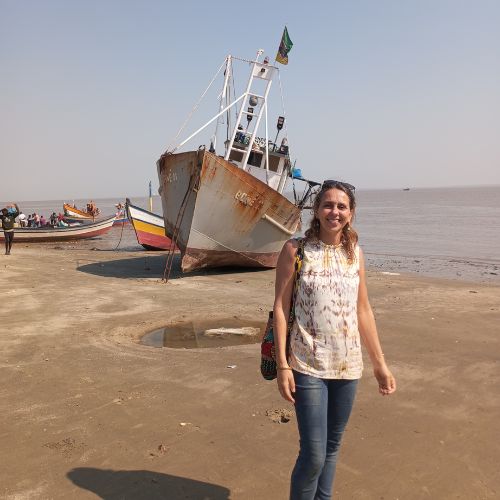
Fishermen beach Beira, Mozambique Mozambique

Beira is Mozambique’s second largest city after Maputo, with a lot of Portuguese influences. In terms of tourism perhaps not the most interesting city, but it has a relaxed atmosphere, friendly people, lots of nice restaurants and fine middle-class hotels. I really liked Beira. It has an international airport with direct flights from Johannesburg and is a good base for a night or two, before visiting Gorongosa National Park which is about a 5 hour drive from there. Our local chapela (tuk tuk) driver turned out to speak excellent English, we found a great guide! Fransisco was also really nice guy and we had intense discussions about Mozambican politics.

He took us around the city in his chapela, exploring the city, visiting hotels and enjoying the good seafood here. He showed us the fishing port with the old fishing vessels, the old town, the train station with a daily connection to Zimbabwe and the impressive cathedral of Beira. We saw the former Grand Hotel, an institution during the colonial time but now a dilapidated slum. Hotel Estoril is a nice mid-range hotel which offers a comfortable stay at a reasonable price. Hotel Tivoli, a sister hotel of the one in Maputo is another good choice here, located in downtown Beira with a colonial feel, old wooden floors and a good restaurant. We stayed in a private house from a lovely couple who run a sustainable forest for Mozambican hardwood in the Gorongosa area called Levas Flor. Nothing is coincidental and I was getting excited about Gorongosa!

Local chapela (Tuk Tuk) driver Beira Mozambique
fresh seafood in Beira Mozambique

Off to Gorongosa National Park

Road to Gorongosa National Park along highway N1 in Mozambique

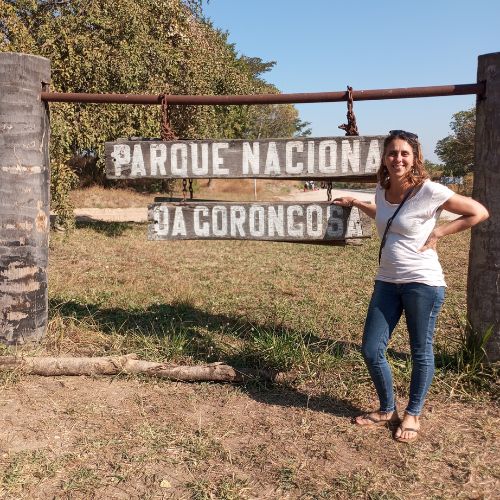
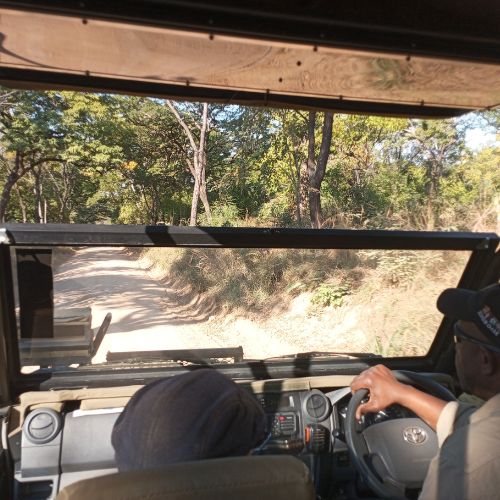
Off in an early chapa again as we continued our journey to Gorongosa National Park. Though they promised us to go to the park’s  turnoff, the driver dropped us off back in Inchope from where we had to find another chapa to the entrance of the park. From here, it’s another 30 km on a dirt road to the park entrance. After hours crammed into overcrowded minibuses, the pickup by comfortable private safari jeep was a real treat and the road to the park entrance magnificent – a taste of what was to come. I had no idea what to expect and had brought our own tent – lodging in Gorongosa does come at a price. But we were received with all honors, were offered a safari tent with nice beds in the main camp and invited to do as many safaris as we could fit in.

Safari jeep driving into Gorongosa National Park

Conservation and local community projects and unforgettable experiences

We met Vasco, the passionate PR Director of the park, who had wanted to go to Gorongosa even as a little boy when he watched a promotional film about it. He actually showed us the film – complete with VW vans used as safari jeeps back in the sixties! With great love and passion, Vasco told us all about the history of Gorongosa, its decline during the civil war in Mozambique, the restoration afterwards and the numerous community-, research, scientific and innovative projects happening there.

It’s an understatement to say it was inspiring to see what has been achieved here in twenty years. I was completely overwhelmed. After the ecosystem had been restored, wildlife returned, and now the area is bursting with animals. There are professional and cheerful guides, beautiful accommodations and camps, breathtaking colors, and there is peace, silence and just pure beauty.

Early morning safaris

Early morning safari in Gorongosa National Park Mozambique July 2024
Up at the crack of dawn we made some fantastic safaris, saw a huge herd of wild dogs, lots of lions and elephants, thousands and thousands of waterbucks, extraordinary beautiful landscapes, laughed with the guides, had a Gin & Tonic at a magical sunset surrounded by hippos, crocodiles and breathtaking colors. We visited the two exceptionally beautiful and exclusive safari camps in the heart of Gorongosa, Muzimu Lodge and Wild Camp, the latter now called Chicari Camp. Chicari was definitely my favourite, with only 6 private tents sitting around a waterhole and with an open view to Gorongosa’s specactular nature and wilfdlife. This is wild Africa at its best. Without Wifi in the camp, modern life is far away and just sitting there watching all that wildlife and nature around you, the colors and sounds and the endless skies, was an almost indescribable magic experience.
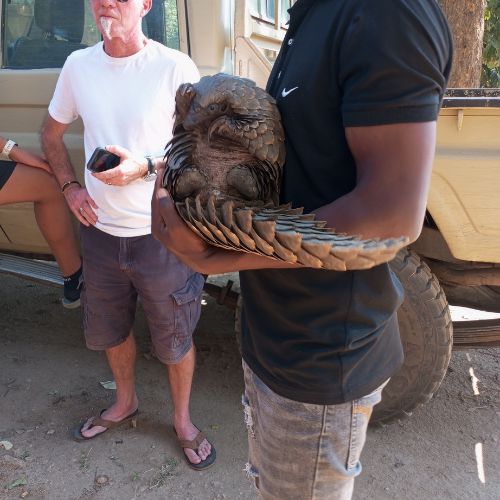
Man showing pangolin Gorongosa National Park Mozambique

We visited some of the amazing projects in the park like the Saving Pangolins project and I saw a Pangolin for the first time in my life. What a sweet and beautiful animal, but sadly the most trafficked mammal on Earth. We sat by the campfire at night gazing at thousands of stars in the main base camp, Chitengo Camp. Montebelo Gorongosa Lodge in the main camp offers nice and clean double rooms at an affordable price and the restaurant has a very varied menu. We slept like a baby with the sounds of the bush. On one of the safaris, just for a brief moment, I felt that I had reached a feeling of complete oneness with nature, which made me very emotional.

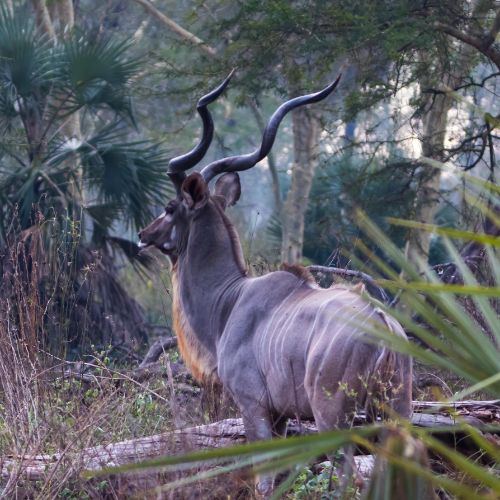
Large African antelope (Kudu) in Gorongosa National Park
For an unforgettable unique exclusive safari experience, visit Gorongosa National Park. It’s special, it’s exclusive, it’s overwhelming and it is definitely unique. The safaris are fantastic and professionally guided and you will learn a tremendous amount about the conservation efforts and the ecosystem. Besides regular safaris, there are also walking safaris available and boat excursions on the Urema flood plain (in season), a very special safari experience.  We went in July (winter time) so did not do this but I hope to go back. You can also visit the remote Gorongosa mountain and the coffee project, and stay two nights in a community-run camp with access to lush forests, stunning waterfalls and spectacular nature. 
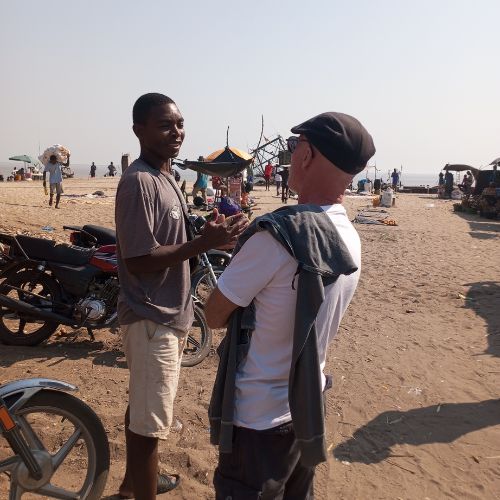
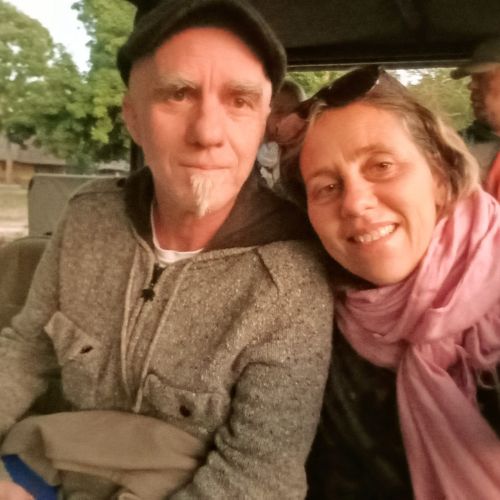
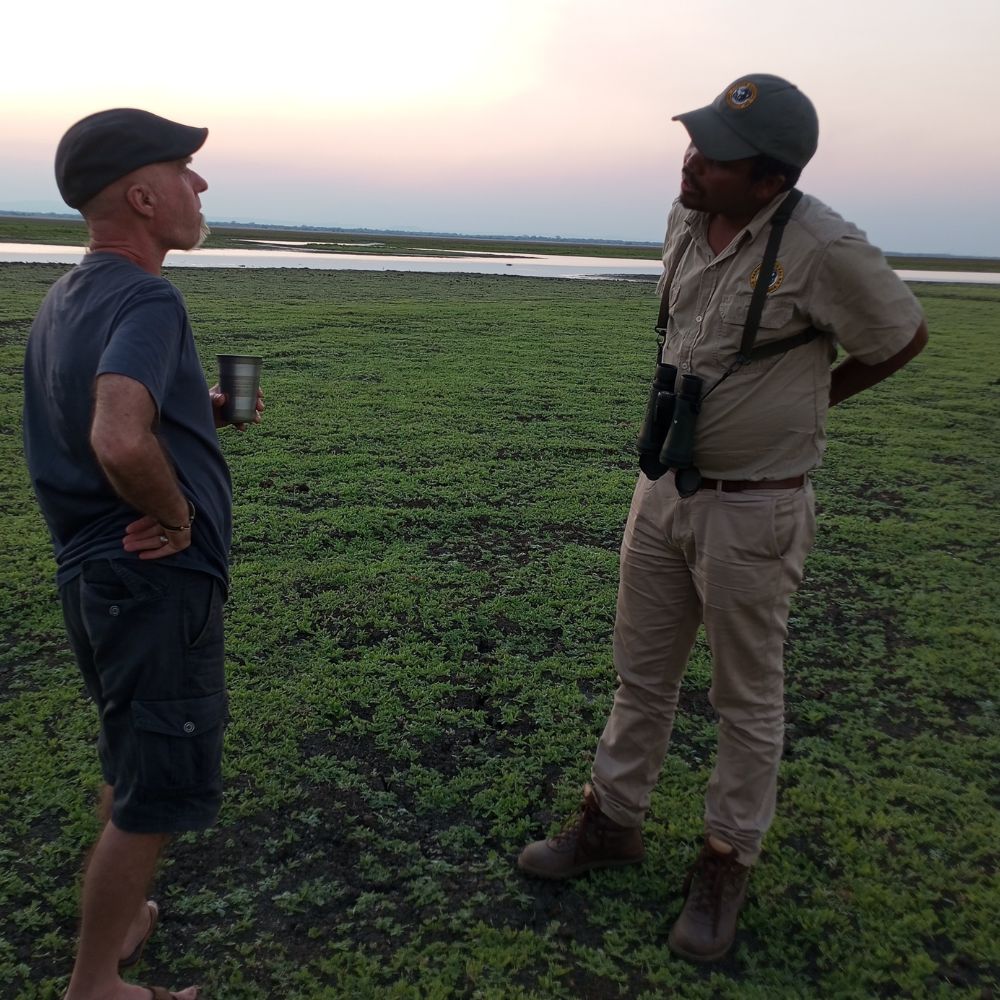
Guide in Gorongosa National Park Mozambique talking to Gerry on sunset safari

I was deeply impressed and this is for me absolutely one of the highlights in Mozambique.